
Ransomware Trends and Statistics: A Deep Dive
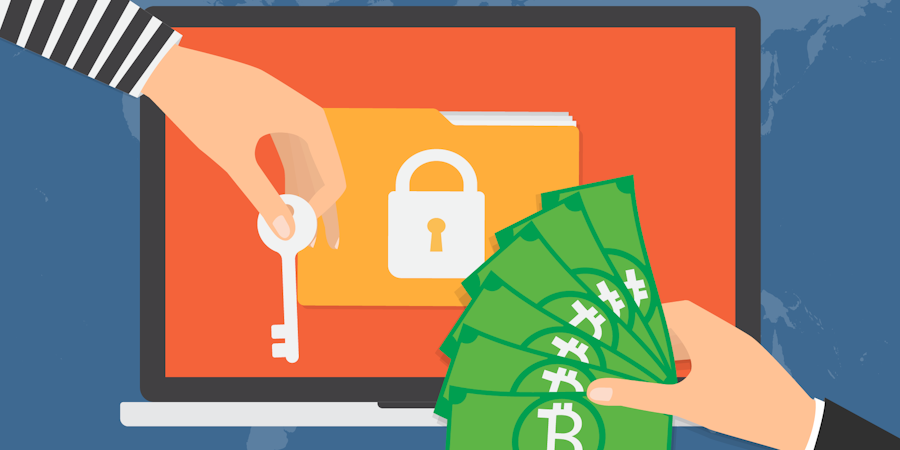
Ransomware Statistics and Trends 2023 Report
Ransomware attacks surged in 2022, becoming a growing threat to businesses worldwide. With over 200 large-scale ransomware attacks reported, there’s been a significant increase of more than 55% compared to previous years. Understanding these trends is crucial for businesses aiming to safeguard their data and operations.
The Rise of Ransomware Attacks
In 2022, ransomware attacks not only increased in frequency but also in sophistication. Cybercriminals are leveraging advanced techniques to breach even the most secure networks. This section will explore the key trends that defined ransomware activities over the past year.
Increased Sophistication in Attacks
Ransomware groups are employing more sophisticated methods, such as double extortion tactics where they not only encrypt data but also threaten to release it publicly unless the ransom is paid. This method puts additional pressure on victims, making them more likely to comply with the demands.
Targeting Critical Infrastructure
A noticeable trend in 2022 was the focus on critical infrastructure. Sectors such as healthcare, energy, and finance were particularly targeted, causing significant disruptions. These attacks underscore the need for robust cybersecurity measures across all industries.
Key Statistics of 2022
- Number of Attacks: Over 200 large-scale ransomware attacks were recorded.
- Increase Rate: There was a more than 55% increase in ransomware incidents compared to previous years.
- Average Ransom Demand: The average ransom demand saw a sharp rise, with many demands exceeding $1 million.
The Financial Impact
The financial toll of ransomware attacks is staggering. In 2022, businesses collectively paid billions in ransom, not to mention the additional costs related to downtime, data recovery, and legal fees. For instance, a detailed report by Cybersecurity Ventures projects global cybercrime damages to reach $10.5 trillion annually by 2025.
Mitigation Strategies
To combat the rising threat of ransomware, businesses must adopt comprehensive cybersecurity strategies. Here are some key measures:
- Regular Backups: Ensure that data backups are performed regularly and stored securely.
- Employee Training: Conduct regular cybersecurity training sessions to educate employees on recognizing phishing attempts and other common attack vectors.
- Advanced Security Solutions: Implement advanced security solutions, such as multi-factor authentication and endpoint protection, to enhance defense mechanisms.
Looking Ahead
The future landscape of ransomware is poised to evolve with the continuous advancement of technology. Businesses must stay informed about the latest trends and adapt their security strategies accordingly.
For more insights and resources on safeguarding your business against ransomware, visit Unebyte’s Managed IT Services.
Conclusion
Ransomware continues to be a formidable challenge for businesses worldwide. By understanding the evolving trends and implementing robust security measures, organizations can significantly reduce their risk and protect their valuable assets. Stay proactive, stay informed, and stay secure.
For further reading on cybersecurity trends, check out this comprehensive guide by Cybersecurity & Infrastructure Security Agency (CISA).